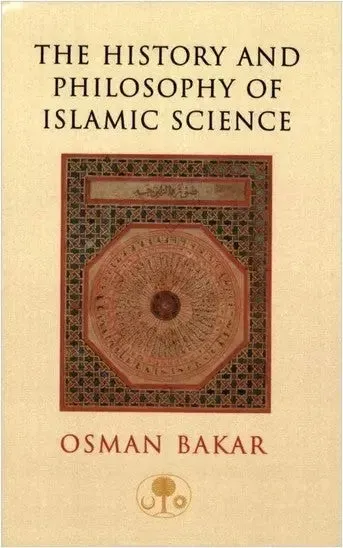
The History and Philosophy of Islamic Science
The essays presented
‘[Osman Bakar’s book] marks a most valuable contribution both to the effort of revealing the Islamic intellectual and spiritual approach to science, and to the concomitant endeavour to highlight the deeper causes of the contemporary crisis in western science and technology...it opens up, with clarity and simplicity, the philosophy of Islamic science.’Islamic Quarterly
Table of Contents
|
Part One |
|
|
Religious Consciousness and the Scientific Spirit in Islamic Tradition |
|
|
The Question of Methodology in Islamic Science |
|
|
The Place of Doubt in Islamic Epistemology: al-Ghazzali’s Philosophical Experience |
|
|
Part Two: Man, Nature, and God in Islamic Science |
|
|
The Unity of Science and Spiritual Knowledge: The Islamic Experience |
|
|
The Atomistic Conception of Nature in Ash’arite Theology |
|
|
An Introduction to the Philosophy of Islamic Medicine |
|
|
Part Three: Islamic Science and the West |
|
|
The Influence of Islamic Science on Medieval Christian Conceptions of Nature |
|
|
Umar Khayyam’s Criticism of Euclid’s Theory of Parallels |
|
|
Part Four: Islam and Modern Science |
|
|
Islam and Bioethics |
|
|
Muslim Intellectual Responses to Modern Science |
|
|
Islam, Science |
|
|
Appendix: Designing a Sound Syllabus for Courses on Philosophy of Applied and Engineering Sciences in a 21st Century Islamic University |
|
Product Information
Product Information
Shipping & Returns
Shipping & Returns
Description
The essays presented
‘[Osman Bakar’s book] marks a most valuable contribution both to the effort of revealing the Islamic intellectual and spiritual approach to science, and to the concomitant endeavour to highlight the deeper causes of the contemporary crisis in western science and technology...it opens up, with clarity and simplicity, the philosophy of Islamic science.’Islamic Quarterly
Table of Contents
|
Part One |
|
|
Religious Consciousness and the Scientific Spirit in Islamic Tradition |
|
|
The Question of Methodology in Islamic Science |
|
|
The Place of Doubt in Islamic Epistemology: al-Ghazzali’s Philosophical Experience |
|
|
Part Two: Man, Nature, and God in Islamic Science |
|
|
The Unity of Science and Spiritual Knowledge: The Islamic Experience |
|
|
The Atomistic Conception of Nature in Ash’arite Theology |
|
|
An Introduction to the Philosophy of Islamic Medicine |
|
|
Part Three: Islamic Science and the West |
|
|
The Influence of Islamic Science on Medieval Christian Conceptions of Nature |
|
|
Umar Khayyam’s Criticism of Euclid’s Theory of Parallels |
|
|
Part Four: Islam and Modern Science |
|
|
Islam and Bioethics |
|
|
Muslim Intellectual Responses to Modern Science |
|
|
Islam, Science |
|
|
Appendix: Designing a Sound Syllabus for Courses on Philosophy of Applied and Engineering Sciences in a 21st Century Islamic University |
|