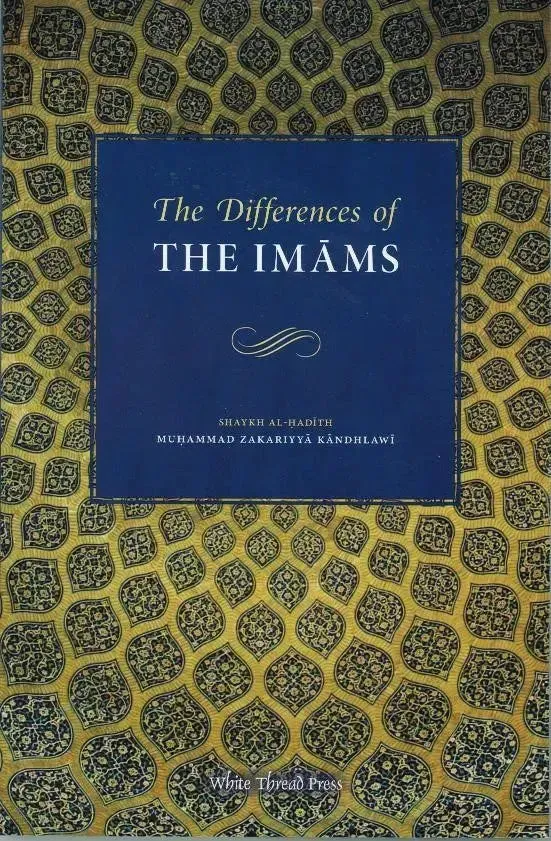





The Differences of the Imams
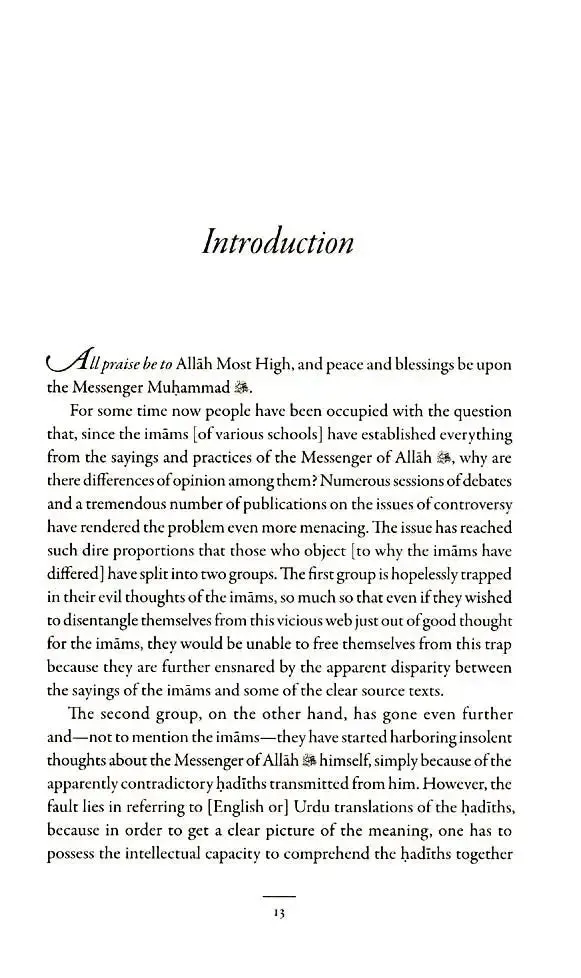
Every student of knowledge eventually runs into the same quiet unease: if the Imams of the four schools all drew from the Qur'an and the Sunna, why did they differ so often, and so sharply, on matters of fiqh? This slim, focused work takes that question seriously rather than brushing past it.
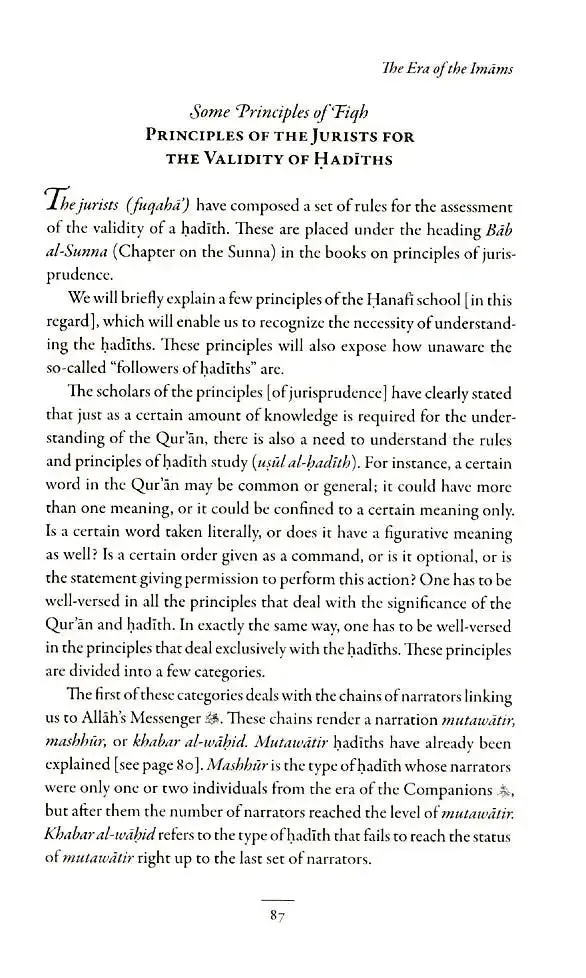
Drawing on examples from the Messenger of Allah ﷺ, his Companions, and their Followers, the book walks through how apparent contradictions between authentic narrations were understood and reconciled by the early generations. It addresses, too, the harder question of when disagreement among Muslims is not a failure but a legitimate feature of sound scholarship — a distinction that matters as much now as it did then.
At 136 pages, this is not a sprawling treatise but a clear, contained study, well suited to a reader who wants to understand the roots of madhhab difference without wading through volumes of usul al-fiqh. White Thread Press's 2008 edition keeps the focus tight and the argument accessible, making it a useful companion for anyone who has wondered why the scholars of Islam, working from the same sources, could still arrive at different conclusions — and why that itself is part of the tradition's integrity.
Product Information
Product Information
Shipping & Returns
Shipping & Returns
Description
Every student of knowledge eventually runs into the same quiet unease: if the Imams of the four schools all drew from the Qur'an and the Sunna, why did they differ so often, and so sharply, on matters of fiqh? This slim, focused work takes that question seriously rather than brushing past it.
Drawing on examples from the Messenger of Allah ﷺ, his Companions, and their Followers, the book walks through how apparent contradictions between authentic narrations were understood and reconciled by the early generations. It addresses, too, the harder question of when disagreement among Muslims is not a failure but a legitimate feature of sound scholarship — a distinction that matters as much now as it did then.
At 136 pages, this is not a sprawling treatise but a clear, contained study, well suited to a reader who wants to understand the roots of madhhab difference without wading through volumes of usul al-fiqh. White Thread Press's 2008 edition keeps the focus tight and the argument accessible, making it a useful companion for anyone who has wondered why the scholars of Islam, working from the same sources, could still arrive at different conclusions — and why that itself is part of the tradition's integrity.