
Sufism and Sharia: A Study of Shaykh Ahmed Sirhindi's Effort to Reform Sufism
About The Book
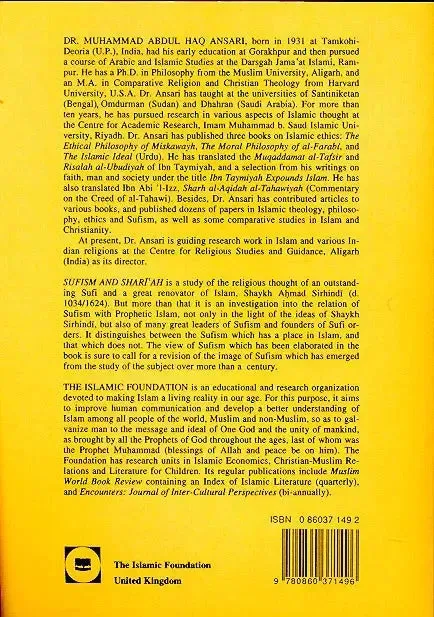
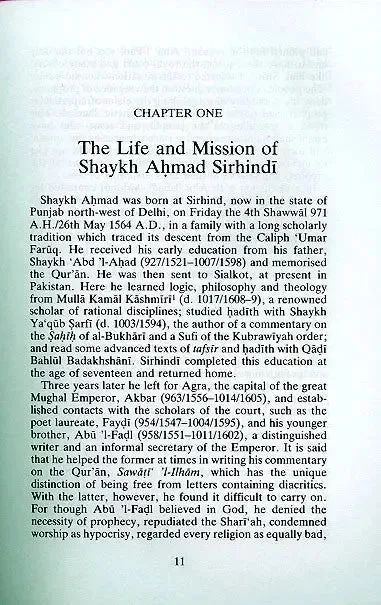
This book more than any other in recent years changed many an opinion regarding ibn Taymiyyah and Sufism. This is a study of the great Indian Naqshbandi Sufi Shaykh Ahmed Sirhindi. Just to give some background of this great Sheikh who was the author of the Mektabat one of the most well-read texts of the Naqshbandi Sufi order.
From Sheikh Sirhindi came the Khalidi Sufi order from Shaikh Khalid al-Baghdadi whose influence spread to Imam Shamil of Daghestan, Muhammad Es'ad of Turkey, Vakif Ihlas, Mahmud Hoca of Istanbul, almost all of the Naqshbandi orders of Turkey, the Naqshbandi revivalists of India and most likely the Naqshbandi Sheikhs who Shehu Usman Dan Fodio studied with were Khalidi and de-facto Muhjediyya Naqshbandis.
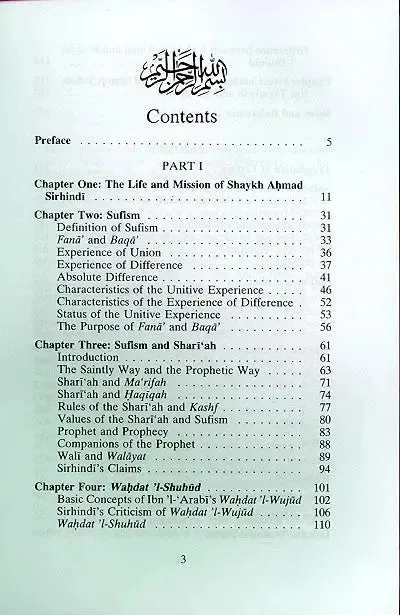
This book gives an excellent background to the state of Islam during the Mughal era that the Shaikh lived then goes on to give some history of Sufism especially controversial issues such as Ibn Arabis Wahdat al-Wajud and ibn Taymiyya.
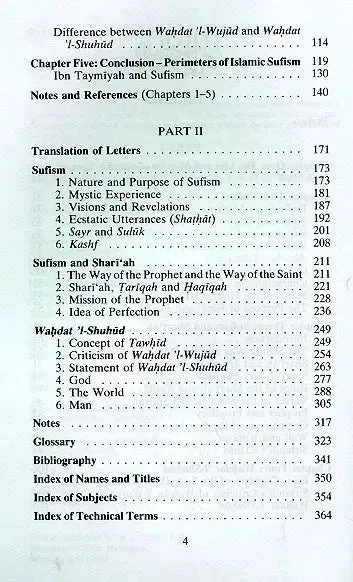
The book covers how Sufism was seen through the great Hanbali scholar and the fact that 3 volumes of his Fatwa cover commentaries on the works of Sheikh Abdul Qadir Jilani (founder of the Qadiri Sufi order which ibn Taymiyya belonged) The book then is completed by translations of the Sheikh's works.
Product Information
Product Information
Shipping & Returns
Shipping & Returns
Description
About The Book
This book more than any other in recent years changed many an opinion regarding ibn Taymiyyah and Sufism. This is a study of the great Indian Naqshbandi Sufi Shaykh Ahmed Sirhindi. Just to give some background of this great Sheikh who was the author of the Mektabat one of the most well-read texts of the Naqshbandi Sufi order.
From Sheikh Sirhindi came the Khalidi Sufi order from Shaikh Khalid al-Baghdadi whose influence spread to Imam Shamil of Daghestan, Muhammad Es'ad of Turkey, Vakif Ihlas, Mahmud Hoca of Istanbul, almost all of the Naqshbandi orders of Turkey, the Naqshbandi revivalists of India and most likely the Naqshbandi Sheikhs who Shehu Usman Dan Fodio studied with were Khalidi and de-facto Muhjediyya Naqshbandis.
This book gives an excellent background to the state of Islam during the Mughal era that the Shaikh lived then goes on to give some history of Sufism especially controversial issues such as Ibn Arabis Wahdat al-Wajud and ibn Taymiyya.
The book covers how Sufism was seen through the great Hanbali scholar and the fact that 3 volumes of his Fatwa cover commentaries on the works of Sheikh Abdul Qadir Jilani (founder of the Qadiri Sufi order which ibn Taymiyya belonged) The book then is completed by translations of the Sheikh's works.