Ibn Tufayl: Alone on the Island of One's Mind
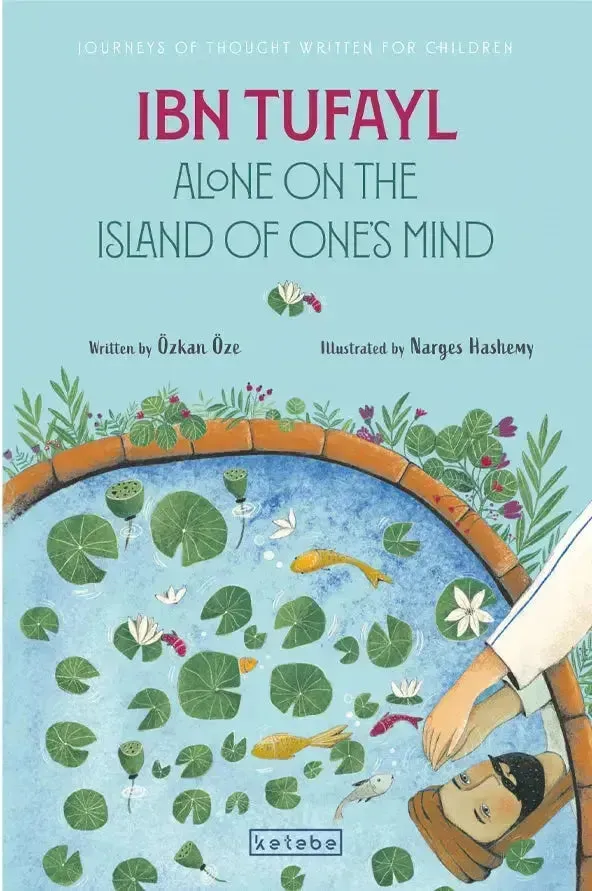
This is a gentle imagining of the mind before the masterpiece — a fictional tale picturing the questions Ibn Tufayl might have turned over in his heart before he ever set pen to paper on his famous work, Hayy ibn Yaqdhan. Rather than retelling that classic philosophical story itself, this edition steps back to the quiet moments of wonder that may have shaped it, making it a fitting first introduction to Ibn Tufayl's legacy for younger readers.
Written by Özkan Öze and translated by Sheeba Arif, the book is brought to life through illustrations by Narges Hashemy, giving the story a visual warmth well suited to its young audience. This paperback edition is recommended for readers ten and up, making it a thoughtful way for families to introduce a child to one of the towering figures of the Islamic intellectual tradition long before they encounter his actual work.
For parents building a home library rooted in that tradition, this is less a summary than an invitation — a chance to let a child sit, even briefly, in the same wondering stillness that may have preceded a book still studied centuries later.
Original: $13.95
-65%$13.95
$4.88Product Information
Product Information
Shipping & Returns
Shipping & Returns
Description
This is a gentle imagining of the mind before the masterpiece — a fictional tale picturing the questions Ibn Tufayl might have turned over in his heart before he ever set pen to paper on his famous work, Hayy ibn Yaqdhan. Rather than retelling that classic philosophical story itself, this edition steps back to the quiet moments of wonder that may have shaped it, making it a fitting first introduction to Ibn Tufayl's legacy for younger readers.
Written by Özkan Öze and translated by Sheeba Arif, the book is brought to life through illustrations by Narges Hashemy, giving the story a visual warmth well suited to its young audience. This paperback edition is recommended for readers ten and up, making it a thoughtful way for families to introduce a child to one of the towering figures of the Islamic intellectual tradition long before they encounter his actual work.
For parents building a home library rooted in that tradition, this is less a summary than an invitation — a chance to let a child sit, even briefly, in the same wondering stillness that may have preceded a book still studied centuries later.